By WeAreTELL
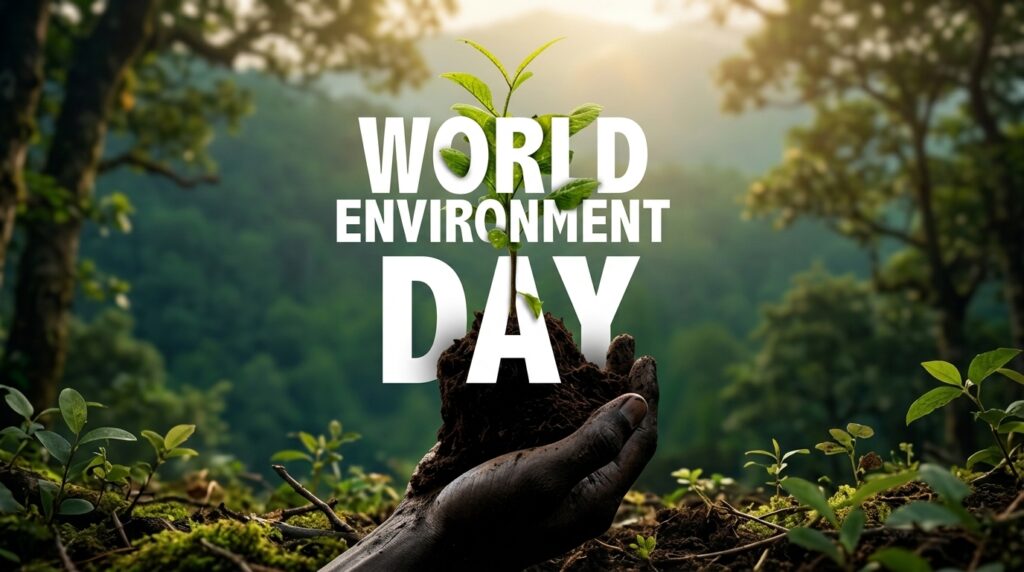
This World Environment Day, WeAreTELL proudly joins hands with Restoration Warriors Africa and World Vision in Kajiado County to celebrate one of nature’s most powerful restoration tools: Farmer Managed Natural Regeneration (FMNR).
Under the theme “Celebrating the Role of FMNR in Restoring Our Rangelands,” we gather not only to commemorate World Environment Day, but also to recognize the communities, pastoralists, youth, women, and environmental champions who are working tirelessly to restore degraded landscapes across Kenya.
Why Rangelands Matter
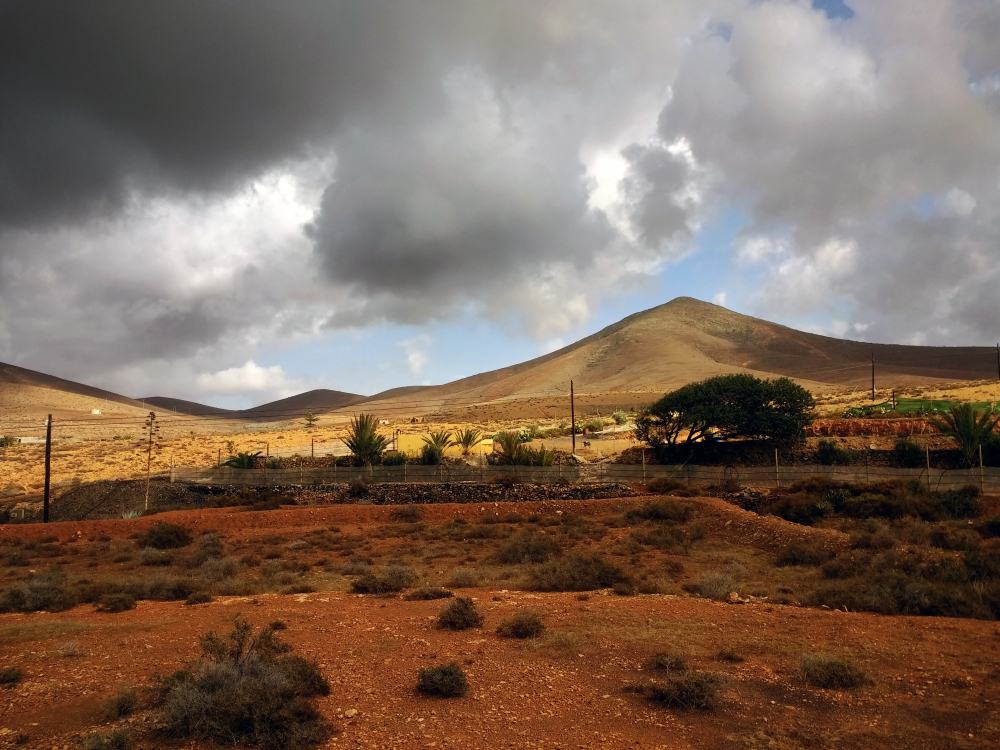
When most people think about environmental conservation, forests often come to mind. Yet rangelands are among the most important ecosystems on Earth. They support livestock production, biodiversity, water regulation, carbon storage, and the livelihoods of millions of pastoralists around the world. Globally, rangelands cover more than half of the Earth’s land surface and sustain nearly two billion people. They are critical for food security, climate resilience, and economic development.
In Kenya, counties such as Kajiado, Narok, Samburu, Turkana, Marsabit, and Isiolo depend heavily on healthy rangelands. For generations, pastoralist communities have lived in harmony with these landscapes, relying on them for grazing, culture, and survival.
However, climate change, prolonged droughts, land degradation, overgrazing, and unsustainable land management practices continue to threaten these ecosystems. The consequences are visible across many dryland regions: shrinking pasture, declining livestock productivity, soil erosion, reduced water availability, and increased vulnerability for communities.
The challenge before us is clear: restore our rangelands before they reach a tipping point.
FMNR: A Simple Solution with Transformative Results
Farmer Managed Natural Regeneration, commonly known as FMNR, is a low cost and highly effective land restoration approach that encourages the regrowth of trees and shrubs from existing root systems, stumps, and naturally occurring seedlings. Rather than planting new trees, communities protect and manage vegetation that already exists beneath the soil surface.
The concept may sound simple, but its impact is extraordinary.
Through careful pruning and management, dormant tree stumps can regenerate into thriving trees. Over time, these trees improve soil fertility, reduce erosion, increase water infiltration, provide shade, produce fodder for livestock, and restore biodiversity. FMNR also strengthens resilience to drought and climate shocks while creating healthier landscapes for both people and wildlife.
Across Africa, FMNR has emerged as one of the most successful restoration approaches because it is affordable, community led, and adaptable to dryland environments where traditional tree planting often struggles. Research shows that FMNR can restore degraded land, improve agricultural productivity, increase fodder availability, and strengthen household livelihoods.
Why FMNR Matters for Kajiado
Kajiado County sits within Kenya’s vast rangeland ecosystem. The county is home to pastoralist communities whose livelihoods depend on healthy grazing lands. Yet recurring droughts and changing weather patterns continue to place immense pressure on both people and ecosystems.
This is where FMNR offers hope.
By restoring indigenous vegetation and encouraging natural regeneration, communities can improve pasture quality, enhance soil health, reduce land degradation, and create more resilient landscapes capable of withstanding climate extremes. FMNR also supports livestock production by increasing the availability of browse and fodder during dry seasons.
For pastoral communities, restoring trees is not simply an environmental activity. It is an investment in food security, livelihoods, water resources, and future generations.
Restoration Begins with Communities
One of the greatest strengths of FMNR is that it places restoration in the hands of local people.
Communities are not passive beneficiaries. They are the leaders, innovators, and custodians of restoration efforts. Pastoralists, farmers, women, youth groups, and community organizations become active participants in rebuilding landscapes and securing their futures.
This community-centered approach aligns perfectly with the work being championed by Restoration Warriors Africa, World Vision, and local partners across Kenya. Together, these organizations are demonstrating that environmental restoration is most successful when local knowledge, indigenous practices, and community ownership are at the center of action.
The Climate Connection
The restoration of rangelands is also a climate action strategy.
Healthy trees and vegetation capture carbon from the atmosphere, helping mitigate climate change. Restored landscapes improve water retention, reduce surface temperatures, and strengthen resilience against droughts and extreme weather events. FMNR has increasingly been recognized as a scalable solution for climate adaptation and sustainable land management in arid and semi-arid regions.
As Kenya continues to pursue ambitious environmental and climate goals, restoring rangelands through FMNR offers a practical pathway toward achieving a greener and more resilient future.
A Call to Action
This World Environment Day, we are reminded that environmental restoration is not only about protecting nature. It is about protecting people.
Every restored acre of rangeland means healthier livestock. Every regenerated tree means stronger soils. Every community empowered through FMNR means greater resilience against climate change.
As WeAreTELL joins Restoration Warriors Africa and World Vision in Kajiado County, we celebrate the individuals and communities who are proving that restoration is possible.
The future of our rangelands will not be determined by policies alone. It will be shaped by the collective actions of communities, organizations, governments, and young people who choose to invest in nature today.
Let us recognize the value of our rangelands.
Let us respect the communities who steward them.
Let us restore them for generations to come.
Happy World Environment Day 2026.
Together, we restore. Together, we regenerate. Together, we build a climate resilient future.